1. Spain
Spain makes almost half the world’s olive oil, and most of it comes from one province: Jaén, in eastern Andalusia, a sea of Picual trees. Jaén’s best estates — Oro Bailén, Nobleza del Sur, Oro del Desierto further east in Almería — pick in October and bottle robust, tomato-leaf oils with the highest published polyphenol figures in Spain. Córdoba, to the west, grows Hojiblanca and Picudo under the Priego de Córdoba and Baena seals, a touch softer and more herbal. Catalonia is Arbequina country: delicate, sweet, early to ripen. Spanish labels say cosecha temprana for early harvest and increasingly print a polyphenol figure; the big estates run their own laboratories.
2. Italy
Italy has more regions, more varieties and more protected names than anywhere else, and no single style. Puglia, in the south-east, makes the most oil and the bitterest: Coratina from Bari and Andria, Ogliarola and Peranzana from Foggia, under the Olio di Puglia IGP and the Terra di Bari DOP. Tuscany sells the idea of Italian oil — Frantoio, Moraiolo and Leccino blends, grassy and peppery, under Toscano IGP and estate brands like Laudemio. Umbria and Lazio make dense, artichoke-led oils from Moraiolo and Itrana; Liguria the gentlest, Taggiasca for fish; Sicily tomato-and-herb Nocellara and Tonda Iblea; Abruzzo and Garda sit in between. Italian law makes the harvest year compulsory on Italian-bottled oil, which helps.
3. Greece
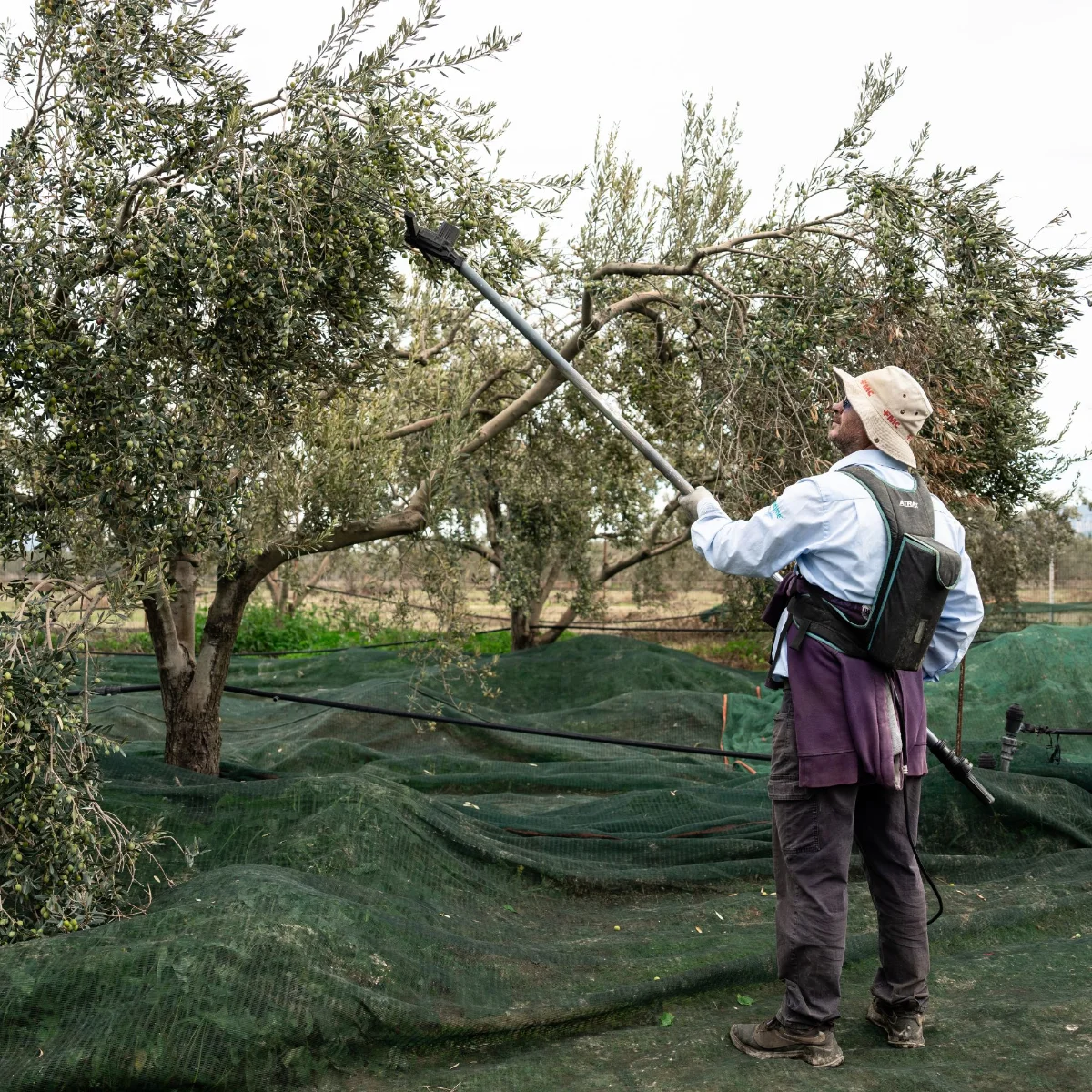
Greece is the third producer and the most single-minded: Koroneiki is half the olive area and the basis of nearly every PDO. Crete makes a third of the country’s oil, mostly from Chania, Heraklion and Sitia under their PDOs, with Tsounati surviving in the west; the Peloponnese — Messinia, Laconia, Corinthia — grows Koroneiki in the south and the softer Manaki in the north-east. Outside those two, the interesting oils are the outliers: Lianolia on Corfu, Makri in Thrace, Chondrolia in Chalkidiki. Greek producers pick early — agourelaio — and the top end now leads Europe in laboratory certificates for polyphenols, with Pamako, The Governor and Sakellaropoulos trading on numbers above 1,000 mg/kg.
4. Türkiye
Türkiye is the fourth or fifth producer by volume and the newest to premium bottling. The oil country is the Aegean coast: the Edremit Gulf and Ayvalık in the north, with the Ayvalık variety — fruity, almond, medium — and Memecik further south around Muğla and Manisa, greener and more bitter. Early harvest, erken hasat, has become the premium claim, and estates like Hermus, Buta Assos and Nermin Hanım pick in September, publish laboratory figures and enter the international competitions where Turkish oils now medal regularly. Prices are below Italy and Greece for comparable quality.
The country is a habit. The region is a variety. The bottle is a harvest.
5. Which to buy for what
| If you want | Look to | Example in the library |
|---|---|---|
| A robust oil that keeps a year | Jaén Picual, Puglia Coratina, early Koroneiki | Oro Bailén Picual · Le Ferre Olio di Puglia IGP · Laconiko |
| A certified high-phenolic oil | Crete and the Peloponnese, Puglia | Pamako Monovarietal · Le Ferre Selezione |
| Something green for bread and greens | Tuscany, Umbria, Thrace | Laudemio Frescobaldi · Kyklopas Ages |
| A soft oil for fish and salads | Liguria, Catalonia, Corinthia | Oro Bailén Arbequina · Corinto Extra Virgin |
| Value and freshness | The Turkish Aegean | Hermus Memecik · Hermus Ayvalık |
A starting map. Every row links to oils with a harvest date and a stated source for each figure.